Key Takeaways
- Spinal cord stimulation uses mild electrical currents to block pain signals before they reach your brain.
- The procedure involves a temporary trial period to ensure the device works for your specific pain condition before a permanent implant is placed.
- Many patients experience a significant reduction in chronic discomfort, allowing them to reduce their reliance on daily pain medications.
- Recovery involves a few weeks of restricted movement, but patients generally return to their normal daily activities quickly.
- West Michigan Pain is an expert provider of spinal cord stimulation in West Michigan, offering personalized care plans to help you achieve lasting relief and schedule an appointment easily.
Understanding Spinal Cord Stimulation for Pain
Living with persistent discomfort can make everyday activities feel impossible. When traditional therapies fail to provide relief, advanced treatments can offer a new path forward. Spinal cord stimulation for pain is an innovative, FDA-approved therapy designed to help patients regain their mobility and improve their quality of life.
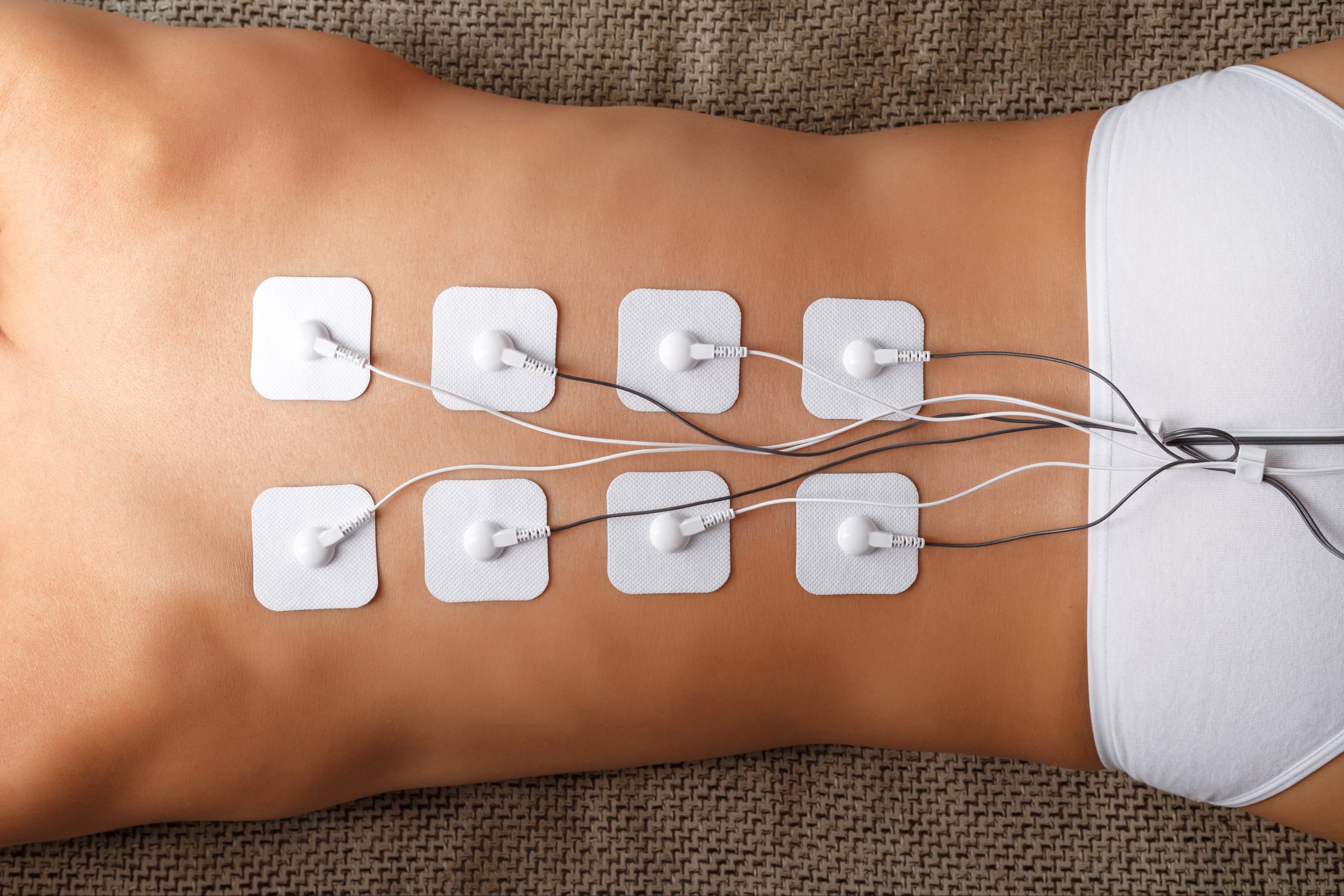
Instead of fixing the physical source of the pain, a spinal cord stimulator changes how your brain perceives it. The system consists of a small pacemaker-like battery pack (generator) and thin wires (leads). A physician carefully places these leads in the epidural space near your spinal cord. The generator delivers mild electrical pulses to the nerves. These pulses mask the pain signals traveling to your brain. Instead of sharp or aching pain, you may feel a gentle, soothing flutter, or you may feel nothing at all, depending on the specific device used.
A Breakthrough in Chronic Pain Management
Effective chronic pain management requires addressing the unique ways your body processes discomfort. Spinal cord stimulation is incredibly versatile and helps treat a wide variety of conditions. Doctors frequently recommend this therapy for patients who suffer from neuropathic pain, which originates from nerve damage.
Common conditions treated with this technology include:
- Failed Back Surgery Syndrome (FBSS): Persistent arm or leg pain following spinal surgery.
- Complex Regional Pain Syndrome (CRPS): A chronic pain condition typically affecting a single limb after an injury or trauma.
- Arachnoiditis: Painful inflammation of the delicate lining surrounding your spinal cord nerves.
- Diabetic Neuropathy: Nerve damage caused by diabetes that leads to severe burning or stabbing pain in the legs and feet.
By targeting the specific nerves causing your distress, this approach allows for highly customized chronic pain management. You can even adjust the intensity of the stimulation using a handheld remote control, giving you direct power over your daily comfort levels.
The Procedure: What to Expect from Start to Finish
One of the greatest advantages of this therapy is that you can test it before making a long-term commitment. The process happens in two distinct phases: the trial and the permanent implant.
Phase One: The Trial Period
During the trial, a physician inserts temporary leads through a small needle in your back using local anesthesia. These leads connect to an external generator you wear on a belt. You will test the device for about five to seven days. You keep track of your pain levels, sleep quality, and physical activity. If your pain drops by at least 50%, the trial is considered successful.
Phase Two: The Permanent Implant
If the trial provides excellent results, you will schedule a permanent placement. During this outpatient procedure, a surgeon makes a small incision to place the permanent generator under your skin, usually in the abdomen or upper buttocks. The leads are securely anchored to prevent them from moving. The procedure is relatively quick, and most patients return home the same day.
Evaluating the Spinal Cord Stimulator Success Rate
Patients naturally want to know if a procedure will actually work for them. The spinal cord stimulator success rate is highly encouraging, largely because of the required trial phase. Since only patients who respond well to the trial proceed to the permanent implant, the long-term satisfaction rates remain high.
Studies show that most successfully implanted patients experience a 50% to 70% reduction in their overall pain. Beyond just numeric pain scores, the true success of the device is measured by lifestyle improvements. Patients frequently report better sleep, improved ability to walk or stand for longer periods, and a vastly improved mood. Furthermore, many individuals can significantly lower their dosage of oral pain medications, reducing unwanted side effects like grogginess and dependency.
Navigating the Spinal Cord Stimulator Recovery Time
Understanding the healing process helps you prepare for a smooth journey back to your daily routine. The spinal cord stimulator recovery time varies slightly depending on whether you are healing from the trial or the permanent implant.
After the trial, recovery is nearly immediate once the temporary leads are removed. However, the permanent implant requires a bit more care. For the first six to eight weeks after surgery, you must avoid bending, twisting, stretching, or lifting objects heavier than five pounds. These restrictions are critical because they allow your body to heal and form scar tissue around the leads, which holds them firmly in place.
Most patients can return to light work within a week or two, provided their job does not require strenuous physical activity. Your care team will guide you through specific postoperative instructions and gradually clear you for more rigorous activities as you heal.
Comparing Pain Relief Treatments
When evaluating your options, it helps to see how spinal cord stimulation stacks up against other methods.
| Feature | Spinal Cord Stimulation | Oral Medications | Physical Therapy |
|---|---|---|---|
| Pain Relief Mechanism | Blocks nerve signals directly | Alters brain chemistry | Strengthens supporting muscles |
| Long-Term Efficacy | High (adjustable therapy) | Decreases over time (tolerance) | Varies based on patient effort |
| Side Effects | Surgical risks, device issues | Drowsiness, organ stress, addiction | Muscle soreness, fatigue |
| Testability | Yes (5-7 day trial period) | No | No |
While conservative pain relief treatments like medication and physical therapy are excellent starting points, they do not always provide adequate relief for severe nerve damage. Spinal cord stimulation bridges the gap between temporary fixes and major anatomical spine surgeries.
Choosing the Best Pain Management Near You
Finding the right care provider is just as important as choosing the right treatment. When you search for pain management, you need a clinic that prioritizes patient education, advanced technology, and compassionate care.
Living with chronic discomfort is an exhausting and isolating experience. Working with specialists who understand the complexities of nerve pain ensures you receive an accurate diagnosis and a comprehensive treatment plan. Localized care also means that your follow-up appointments, device adjustments, and recovery check-ins are convenient and stress-free.
Regain Control Over Your Daily Life
You deserve to live a life defined by your passions, not your pain limits. Spinal cord stimulation represents a powerful, proven way to manage chronic nerve issues without relying heavily on medication or undergoing massive structural spine surgeries. With a successful trial period, manageable recovery time, and high long-term success rates, this therapy can help you get back to doing what you love. Our dedicated team is here to guide you through every step of the process.
If you are tired of letting discomfort dictate your schedule, contact West Michigan Pain today to schedule an appointment for spinal cord stimulation and discover a personalized path to lasting relief.
Frequently Asked Questions
How long does a spinal cord stimulator battery last?
The battery life depends on the specific device and how often you use it. Non-rechargeable batteries typically last between two and five years before requiring a simple outpatient replacement. Rechargeable systems can last up to ten years or more, requiring you to charge the battery wirelessly through your skin every few days.
Will the implant procedure be painful?
You will be kept comfortable throughout the procedure. The trial is usually performed under local anesthesia with light sedation, meaning you may feel some pressure but no sharp pain. The permanent implant uses stronger anesthesia. Post-surgical soreness at the incision sites is normal but fades within a few days.
Can I get an MRI with a spinal cord stimulator?
Yes, but with certain conditions. Many modern spinal cord stimulators are MRI-conditional. This means you can safely undergo an MRI under specific settings and conditions. Always tell your imaging technician and your doctor that you have an implanted device before scheduling any scans.
Will the device cure my chronic pain completely?
Spinal cord stimulation is not a cure for the underlying condition causing your pain. Instead, it is a highly effective management tool. The goal is a significant reduction in pain—usually 50% or more—which allows you to improve your daily function, sleep better, and rely less on medications.
