Key Takeaways
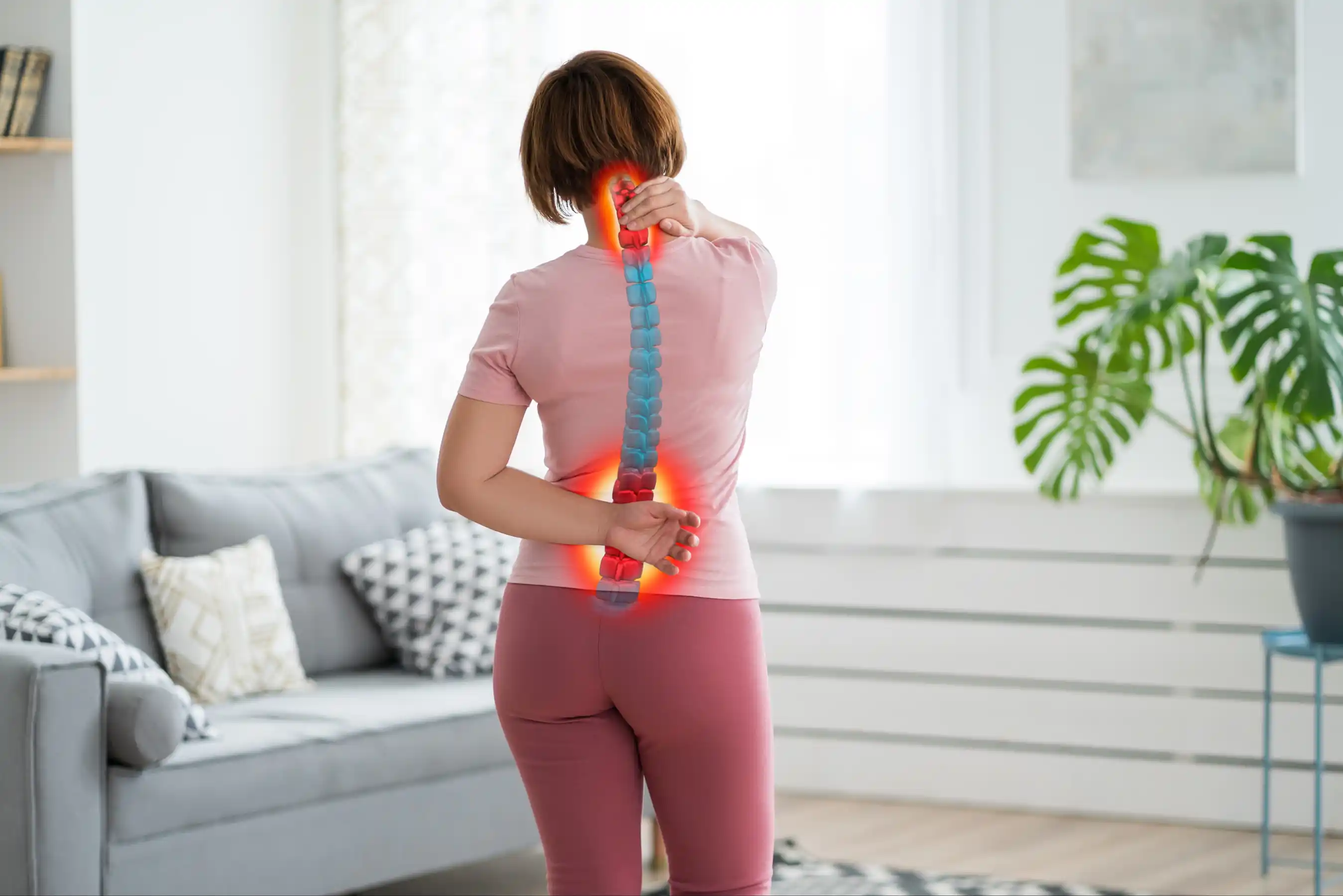
- Degenerative disc disease is the natural, age-related breakdown of the discs that cushion the bones of the spine, and despite its name, it is not actually a disease.
- Common symptoms include lower back or neck pain, stiffness, and pain that radiates into the arms, buttocks, or legs.
- Most cases improve with non-surgical treatments, such as physical therapy, medication management, and targeted spinal injections.
- Left unmanaged, disc degeneration can contribute to related conditions like a herniated disc or spinal stenosis, a narrowing of the spinal canal that puts pressure on the nerves inside it.
- West Michigan Pain offers a full range of non-surgical and minimally invasive treatments for degenerative disc disease across its West Michigan locations, and patients can request an appointment with West Michigan Pain to build a personalized pain management plan.
What Is Degenerative Disc Disease?
The spine is made up of vertebrae separated by soft, rubbery discs that act as shock absorbers, allowing the back to bend and twist. Over time, these discs can dry out, lose height, and become less effective at cushioning the spine. This process is what's known as degenerative disc disease.
The condition is most common in the lower back (lumbar spine) and neck (cervical spine), the two areas of the spine that move the most. Roughly 90% of degenerative disc disease occurs in the lowest portion of the lumbar spine.
What Causes Disc Degeneration?
Disc degeneration is primarily driven by the natural aging process, but several factors can speed it up or make symptoms more likely, including:
- Age. Nearly everyone's discs show some wear by mid-adulthood, though not everyone experiences pain.
- Repetitive strain. Jobs or activities involving frequent bending, lifting, or twisting place extra stress on spinal discs.
- Previous injury. A past back or neck injury can accelerate disc breakdown in that area.
- Smoking. Tobacco use is linked to faster disc dehydration and degeneration.
- Excess body weight. Added weight increases the load placed on the lower spine.
When Back Pain Signals Something More
Occasional stiffness after a long day is common, but certain symptoms suggest it's time to see a specialist rather than wait it out. These include pain that radiates into the legs or arms, numbness or tingling in the extremities, muscle weakness, or pain that doesn't improve after a few weeks of rest and home care.
How Degenerative Disc Disease Is Diagnosed
Diagnosis typically begins with a physical exam and a review of symptoms and medical history. Imaging, such as an X-ray or MRI, may be used to confirm disc changes and rule out other causes of pain. Because disc wear is extremely common, providers focus on connecting a patient's specific symptoms to the imaging findings rather than treating the images alone.
Treatment Options at West Michigan Pain
At West Michigan Pain, treatment plans are built around each patient's specific symptoms and goals, starting with the least invasive options. Dr. Roman Zolotoy and the West Michigan Pain team work together to match each patient with the right combination of care.
Non-Surgical Approaches
For many patients, medication management and physical therapy are enough to relieve pain and restore function. Anti-inflammatory medications, activity modification, and targeted exercise programs can reduce strain on the affected discs and strengthen the surrounding muscles for long-term support.
Advanced Interventional Options
When conservative care isn't enough, West Michigan Pain offers nerve blocks and injections to reduce inflammation and interrupt pain signals at the source. Per OrthoInfo, from the American Academy of Orthopaedic Surgeons (AAOS), these types of spinal injections are generally safe outpatient procedures with a low rate of complications. They're often able to provide meaningful relief without surgery.
Degenerative Disc Disease vs. Herniated Disc
Because the two conditions are closely related and often confused, here's how they typically differ:
| Degenerative Disc Disease | Herniated Disc | |
|---|---|---|
| What It Is | Gradual wear and thinning of a spinal disc over time | A crack in a disc's outer layer that allows the inner material to push out |
| Common Symptoms | Stiffness, dull or aching pain, pain that comes and goes | Sharp or radiating pain, numbness, and weakness, often on one side |
| Typical First Step | Physical therapy and activity modification | Rest, medication, and physical therapy, with imaging to confirm the diagnosis |
According to Mayo Clinic, a herniated disc most often occurs in the lower back, and in many cases it causes no symptoms and requires no treatment.
Find Relief From Chronic Back and Neck Pain in Big Rapids
Degenerative disc disease is a common part of aging, but ongoing pain that limits daily activities doesn't have to be. With a personalized combination of physical therapy, medication management, and minimally invasive procedures, West Michigan Pain helps patients manage symptoms and stay active.
If back or neck pain has been affecting your daily life, request an appointment with West Michigan Pain to talk through your symptoms and explore treatment options for degenerative disc disease.
Frequently Asked Questions
What does degenerative disc disease feel like?
Symptoms vary widely from person to person. Some people experience a dull, aching pain in the lower back or neck that comes and goes, while others notice stiffness or pain that worsens with sitting, bending, or lifting.
Is degenerative disc disease the same as arthritis of the spine?
They are related but not identical. Degenerative disc disease refers specifically to the breakdown of the spinal discs, while spinal arthritis involves the small joints that connect the vertebrae. The two conditions often occur together as the spine ages.
Can degenerative disc disease be reversed?
Disc wear itself cannot be reversed, but symptoms can often be effectively managed. Physical therapy, medication management, and minimally invasive procedures can reduce pain and improve function for many patients.
When should I see a pain specialist near me for degenerative disc disease?
If back or neck pain lasts more than a few weeks, limits your daily activities, or is accompanied by numbness, tingling, or weakness in the arms or legs, it's a good time to schedule an evaluation with a pain specialist.